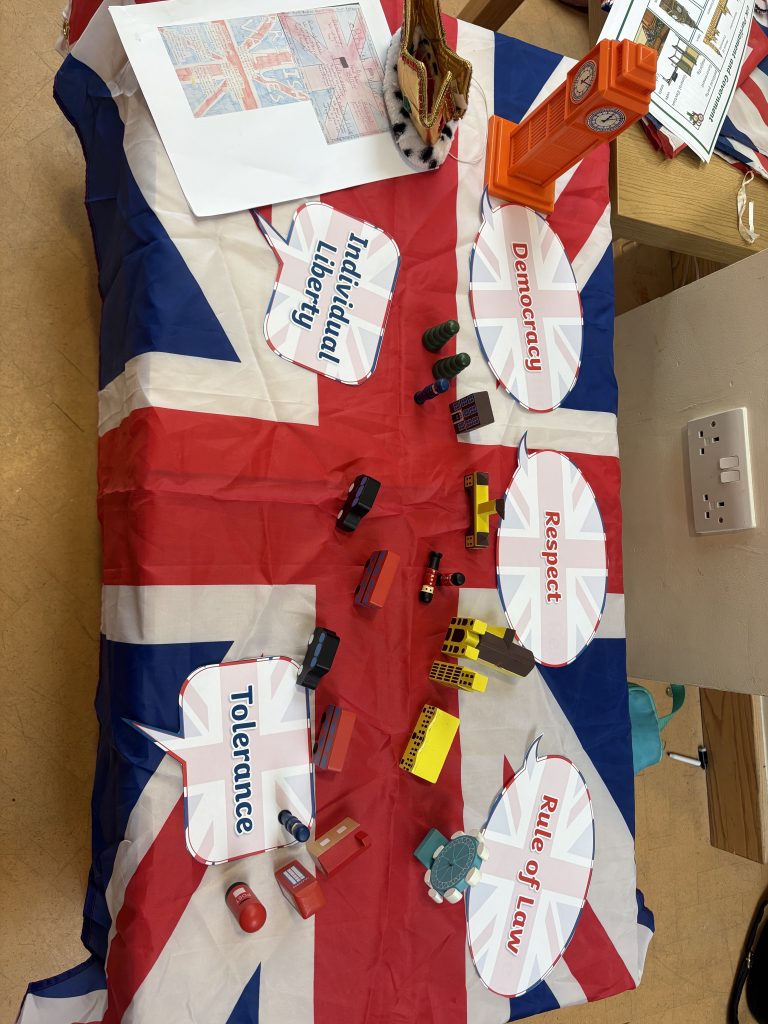
British Values are woven throughout the curriculum and ethos at KCS. We are grateful to live in a country governed by democracy, where freedom of speech is protected and where rights and laws help to keep people safe, including a fair and just legal system.
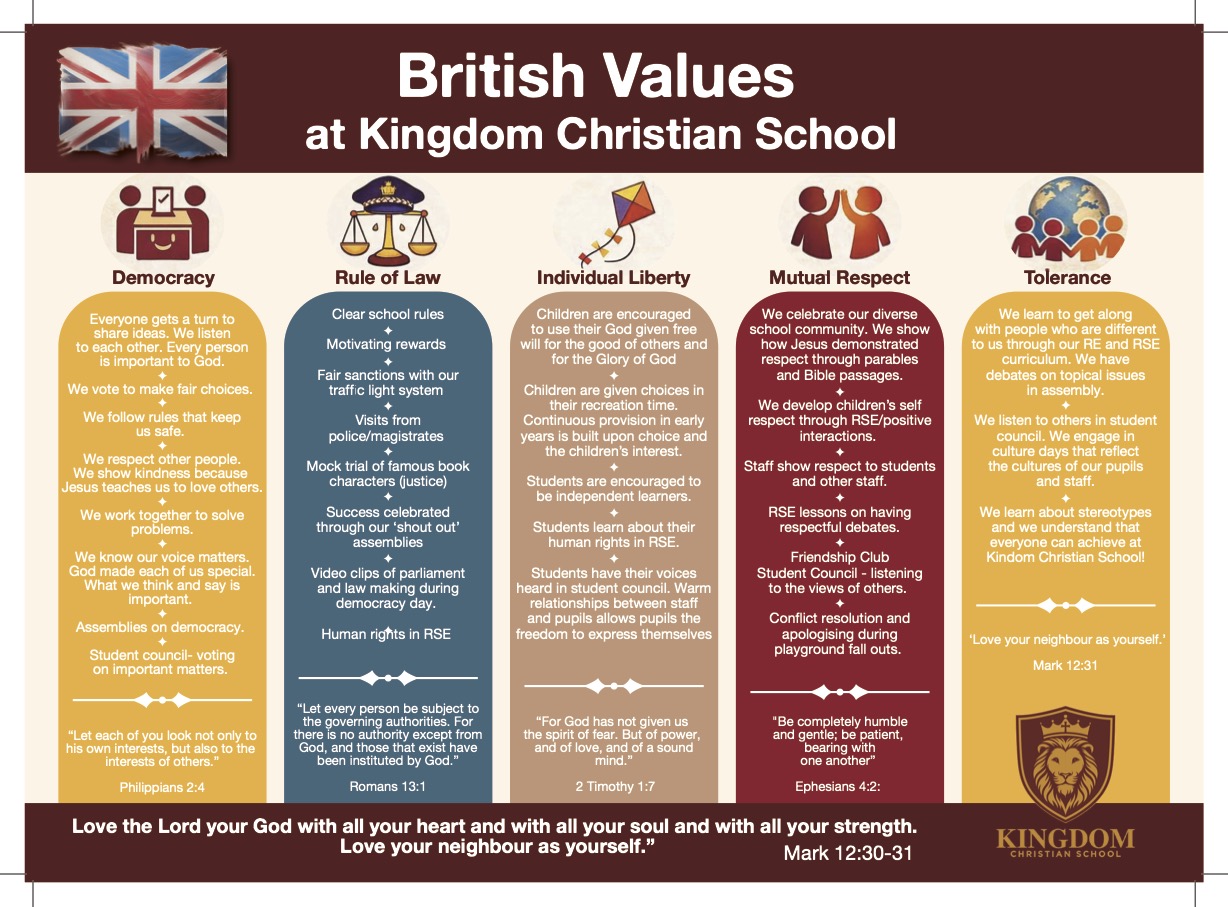
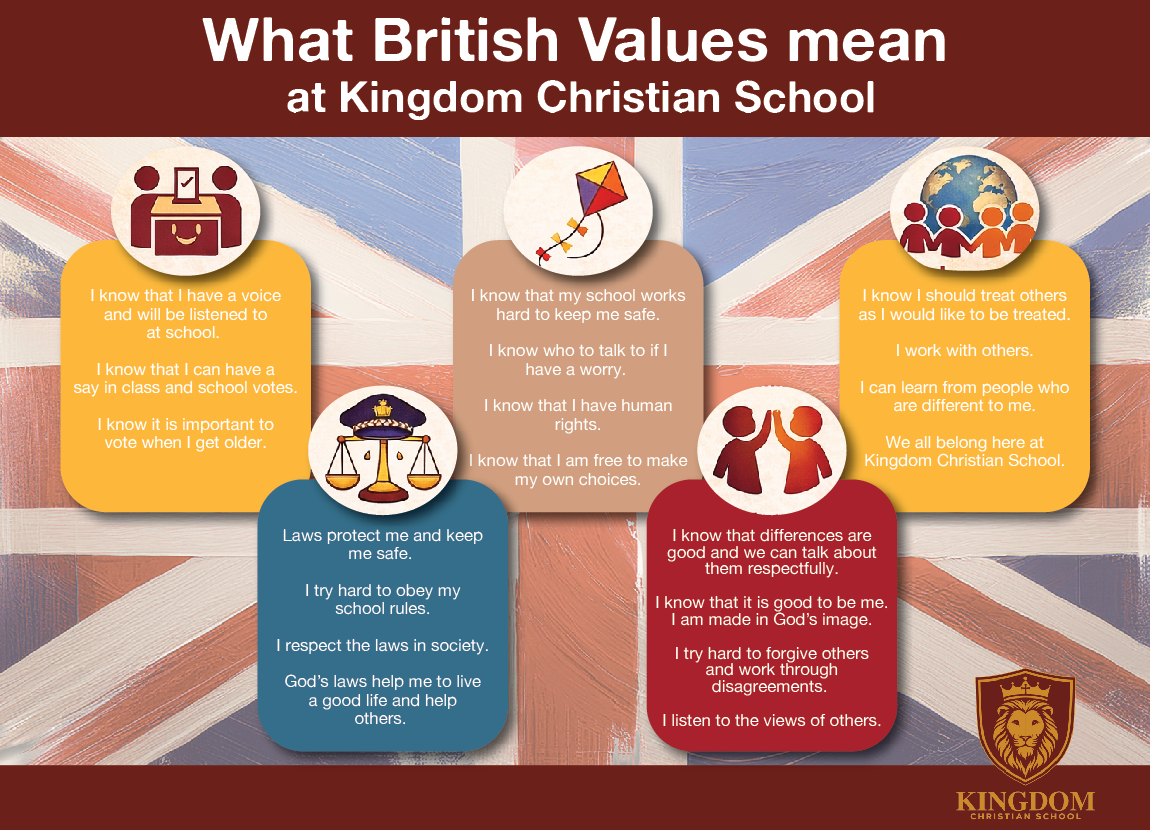
At KCS, we believe that British Values are closely aligned with Christian principles. They are underpinned by God’s teachings: loving your neighbour, standing for truth and justice, respecting those in authority, and following God’s guidance in order to live peaceful and responsible lives. Through this Christian perspective, we help pupils understand how these values can shape their character and daily choices. Our school posters further demonstrate how British Values are integrated into the lives of our pupils.
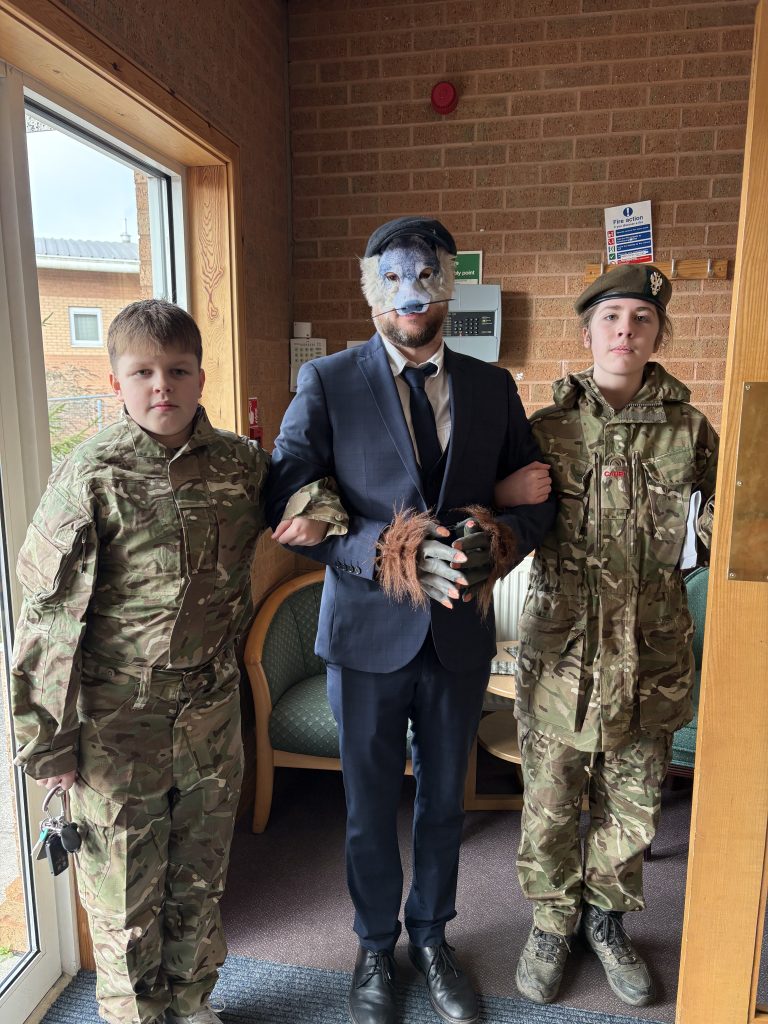
Recently, we have been more explicit in our teaching of British Values, helping pupils understand the “why” behind the systems and structures we have in place. For example, on World Book Day we held a fun “mock trial” involving the Big Bad Wolf and the Three Little Pigs. Staff acted out the roles of judge, prosecution and defence, while pupils served as the jury and had to decide whether the wolf was guilty or not guilty. This activity illustrated the rule of law, justice, and the idea that everyone is entitled to a fair trial in the UK. It also helped pupils understand that laws — including our classroom rules — exist to keep us safe and happy, and that breaking rules can have consequences, as the Big Bad Wolf discovered when he was “taken away in handcuffs”.

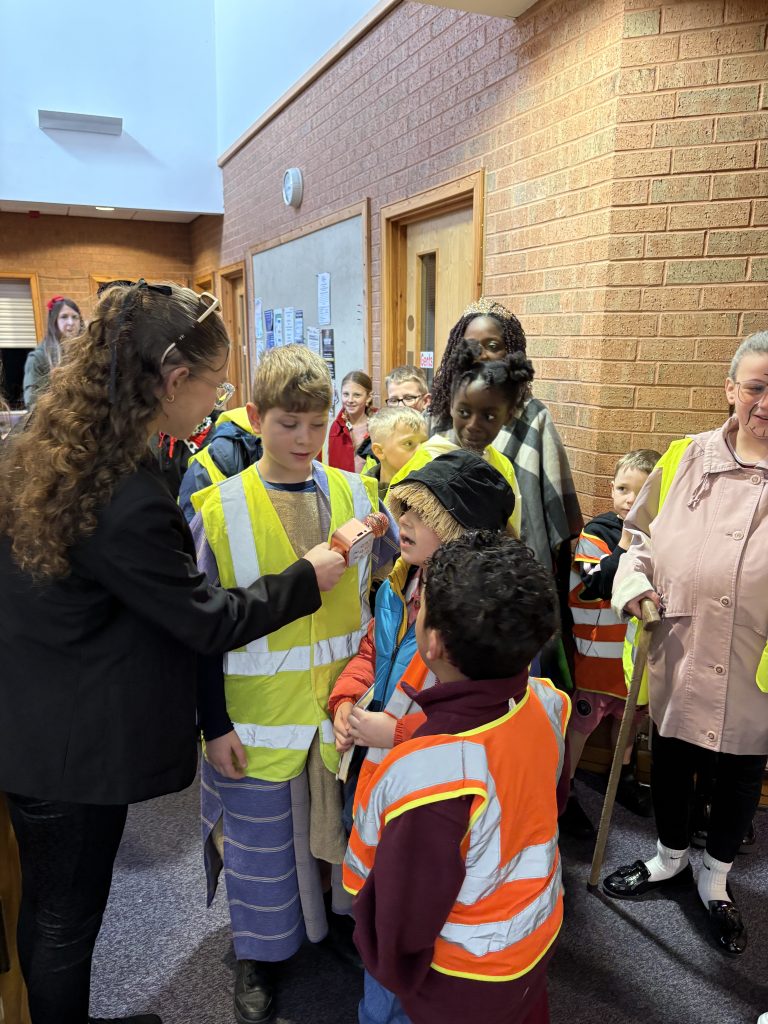

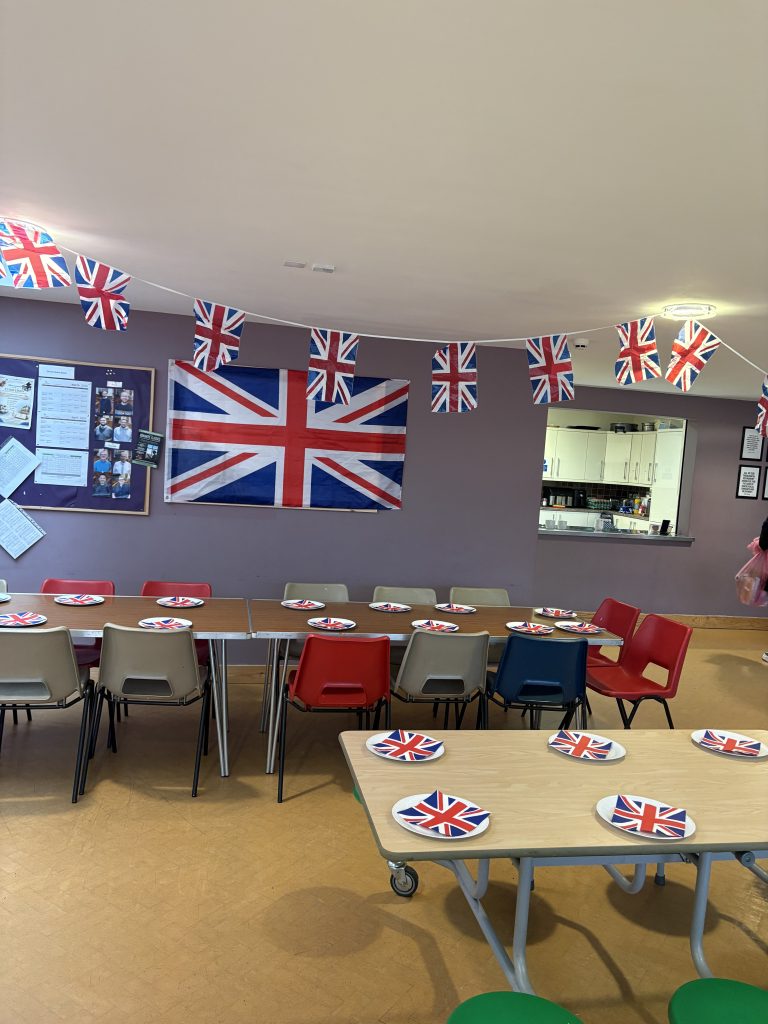
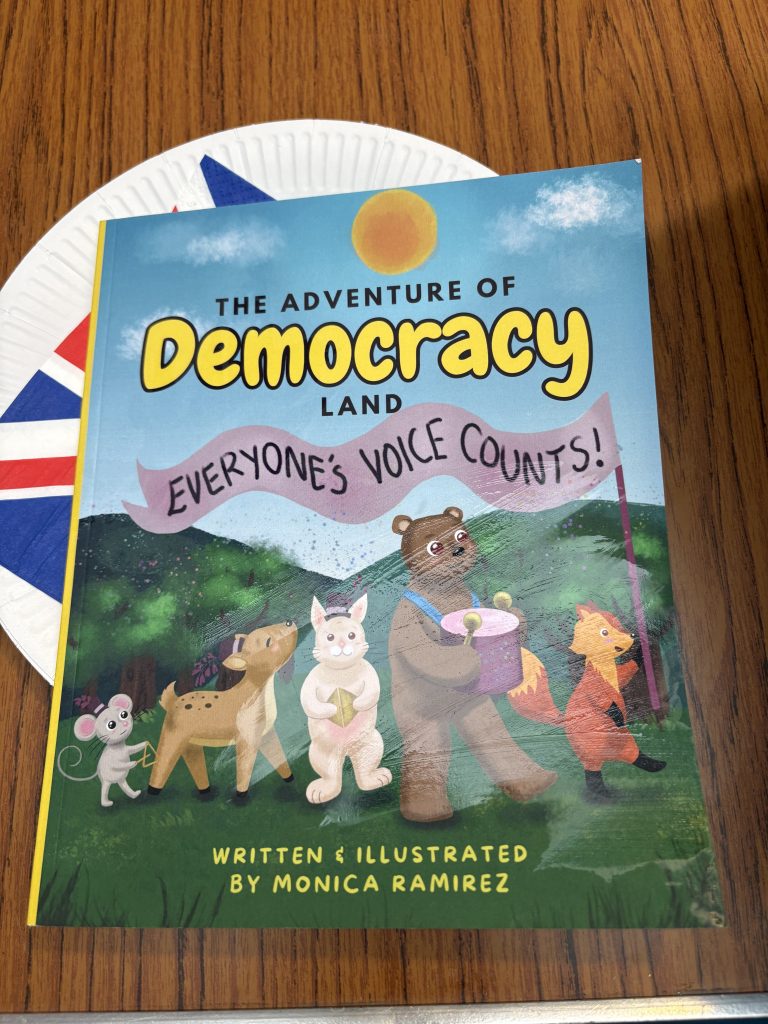
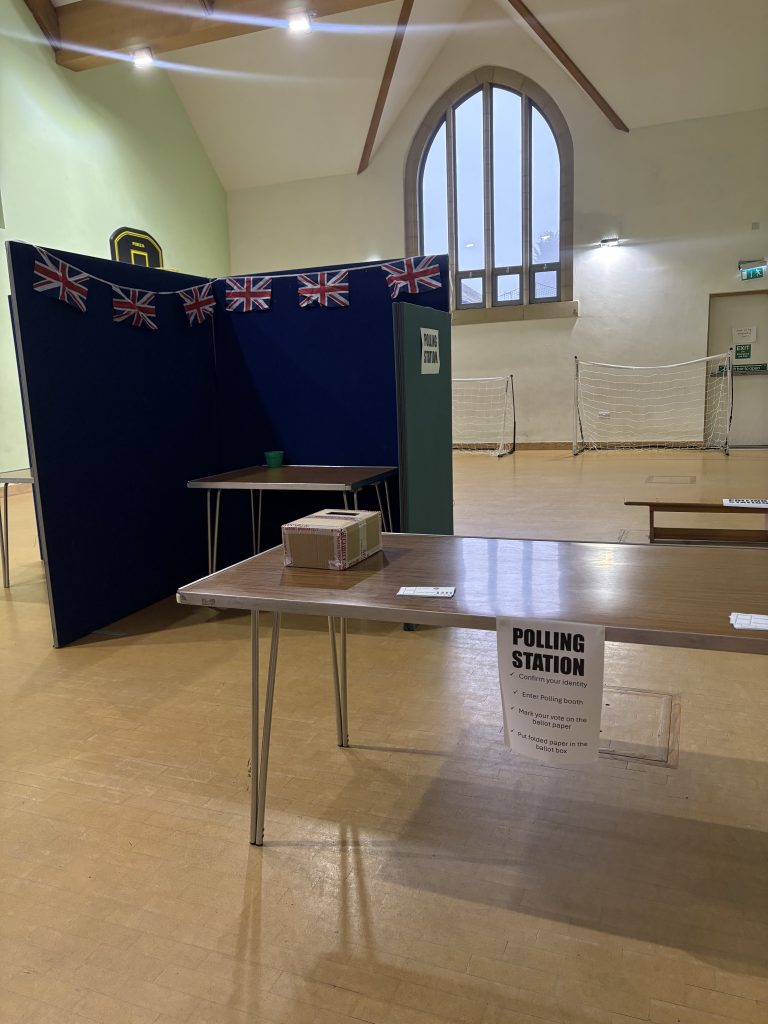
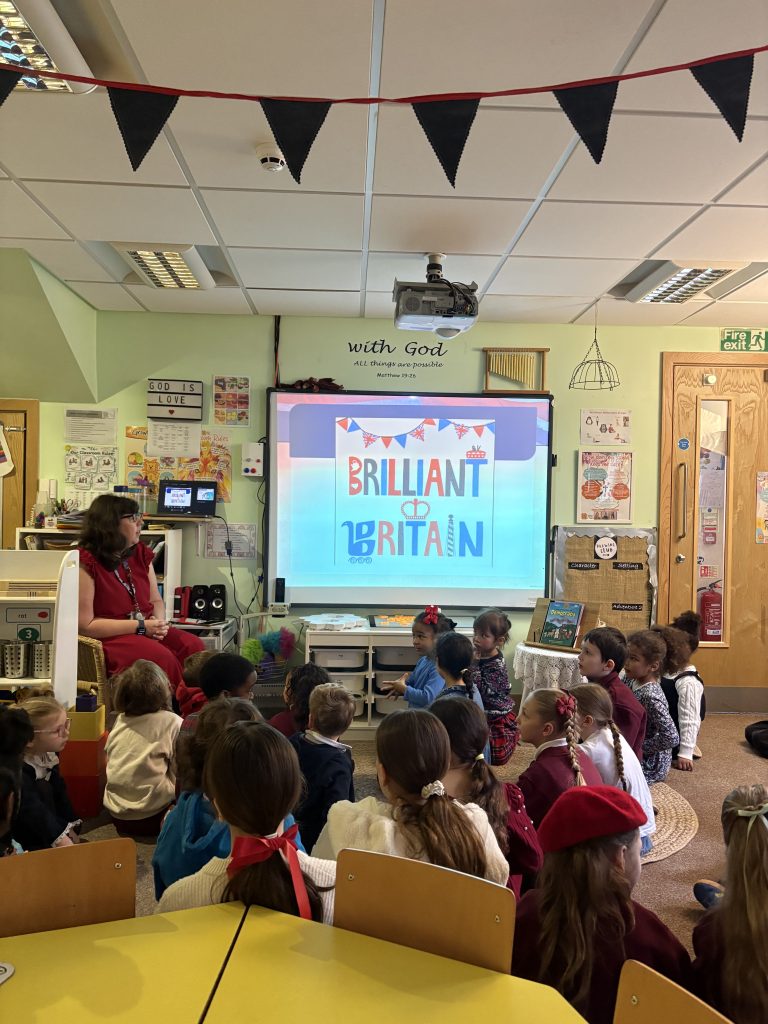
We celebrated a special “Britain is Great” Day, where pupils learned about the UK voting system and the importance of living in a democracy. We created a mock polling station where pupils voted for their whole-school treat: either “ice cream” or a “wear your own clothes” day. Ice cream won by a large majority, and pupils enjoyed the result of their democratic vote together. During the day, we were reminded of who our King is, sang the national anthem, and most importantly, enjoyed a wonderful English breakfast prepared by our fantastic teachers as a celebration of British culture.
Romania Day
At KCS we are proud to have pupils from a variety ethnic backgrounds, representing a rich range of cultures and traditions. We want every child to feel valued, welcomed and celebrated in our school community — everyone belongs at KCS.
We take opportunities to learn from one another’s backgrounds and experiences. When a pupil joins us from a different country or culture, we enjoy discovering more about their heritage. This may include learning a few words from their language, tasting traditional foods, hearing about customs and traditions, and praying for that nation together.
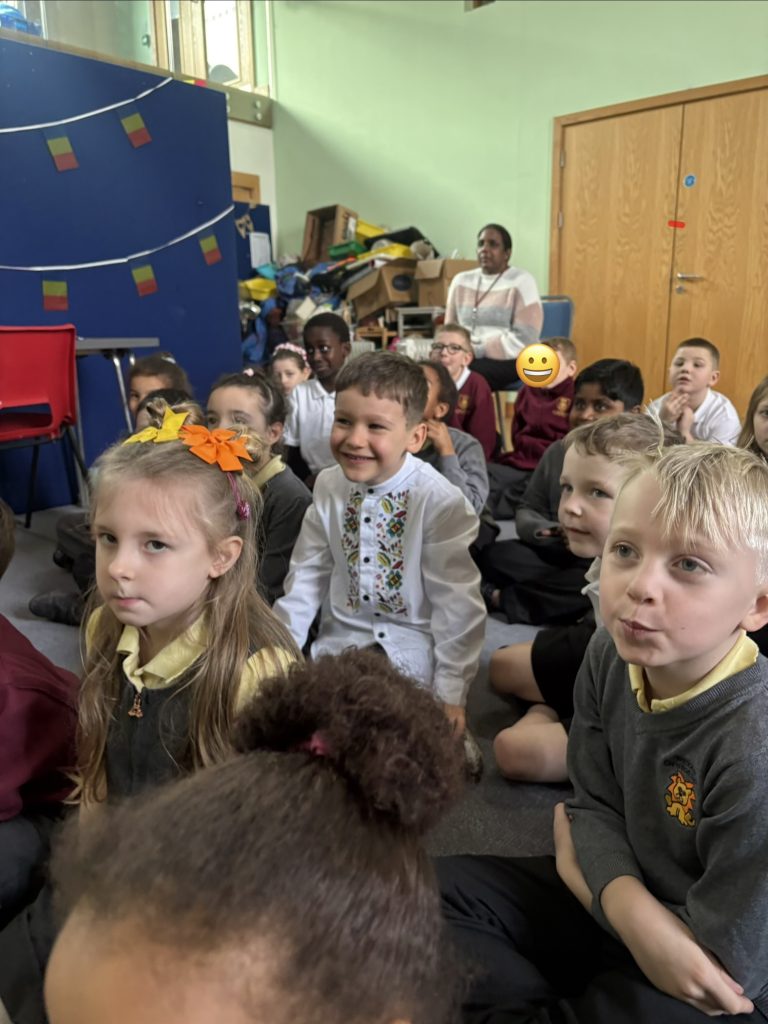
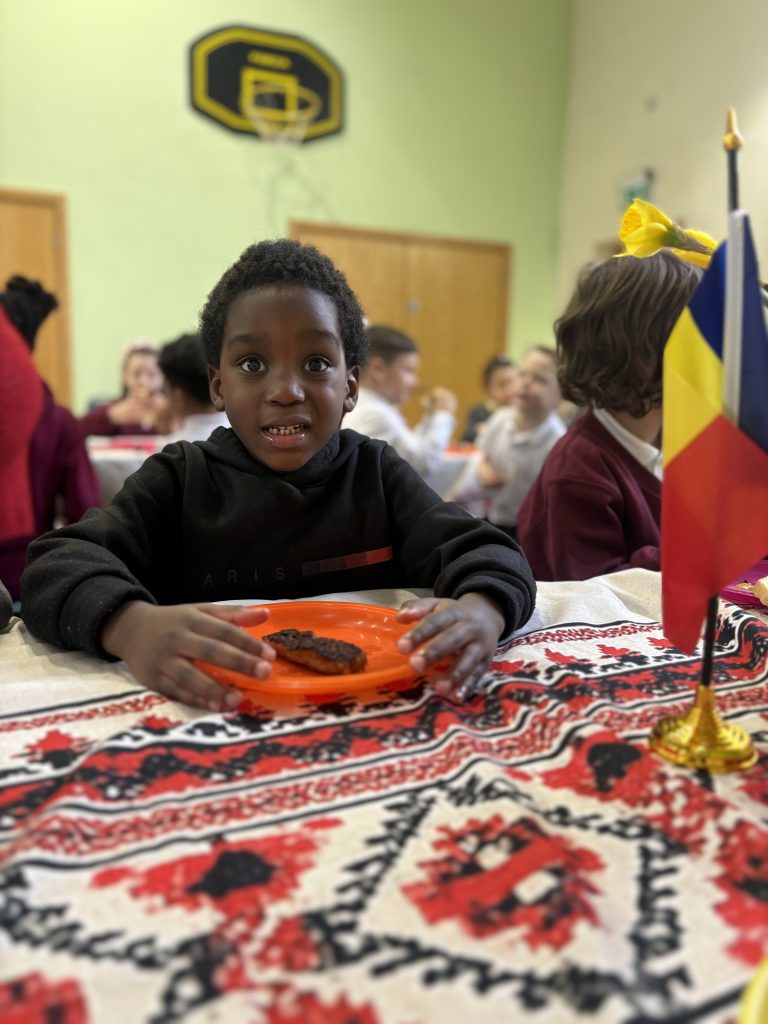
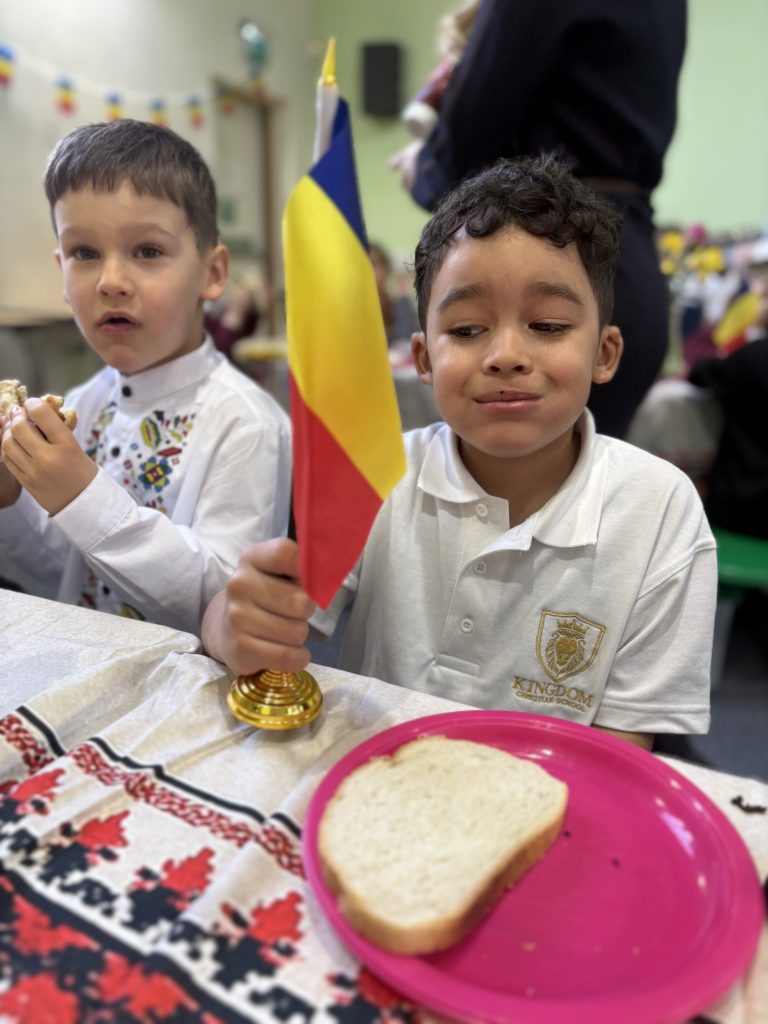
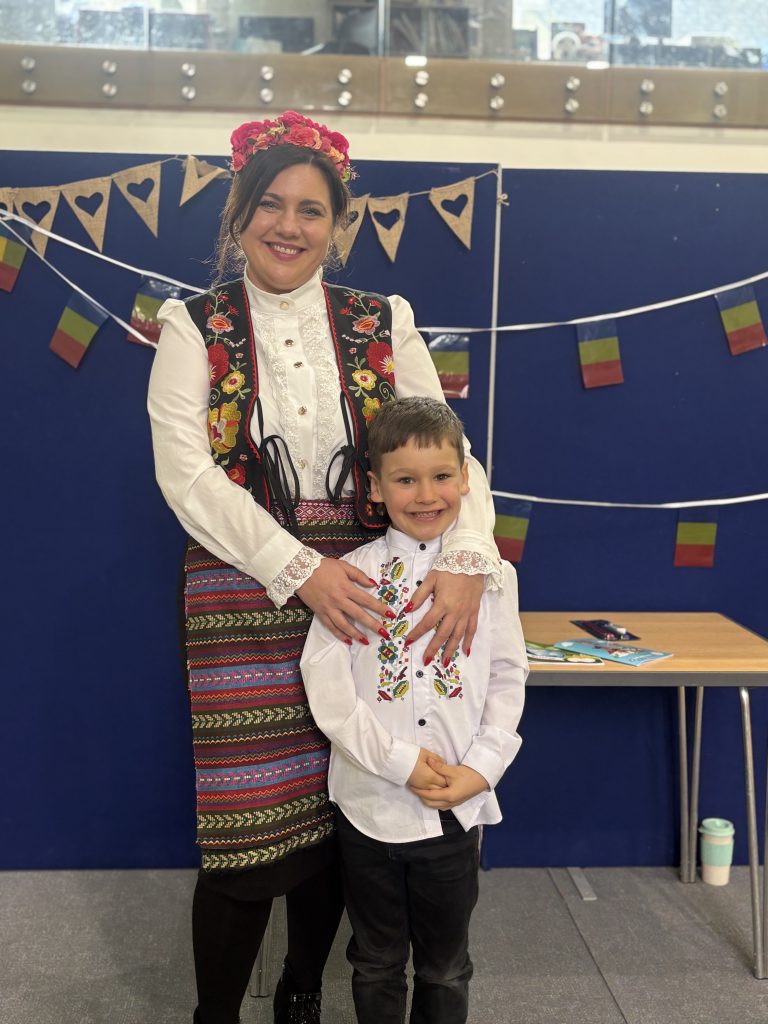
A wonderful example of this was our Romania Day, where we learned about Romanian culture. Pupils enjoyed tasting Romanian food and seeing traditional Romanian clothing. One of our pupils’ parents kindly came into school to share their culture with us, which made the experience even more special. It was a meaningful way for our pupils to celebrate diversity and helped our student feel proud, valued and included within the KCS family.
Remembrance
Each year on 11th November, we visit our local cenotaph to lay a poppy wreath, paying our respects to the brave soldiers who fought for our peace and freedom. Through our history and literacy lessons, we learn about World War I and World War II, deepening our understanding of the sacrifices made to keep our country safe.

School Council at Kingdom Christian School
Our school council is unique compared with many others because all pupils in the school attend school council meetings and are encouraged to participate actively by sharing and explaining their views and opinions.
At the beginning of each academic year, each class elects a representative to join the main school council body. These representatives act as the voice of their class and ensure that the views of all pupils are represented.
In Year 5 and Year 6, pupils are able to apply for positions on the School Council Board. Children submit a written letter of application explaining why they would be suitable for the role. They then run an election campaign and deliver a speech to the whole school outlining their ideas and suitability for the position. Members of staff vote to appoint a pupil to each role. The School Council Board is responsible for organising and running school council meetings, setting the agenda, and chairing the discussions to ensure that all pupils have the opportunity to share their thoughts.
Prior to each school council meeting, the class representative gathers the views of their classmates during a class council session. During these discussions, pupils reflect on what is going well in the classroom, celebrate achievements, and identify any areas they would like to see improved within the school. Pupils generate a list of possible improvements and then vote to decide which issue they feel is most important to present to the school council.
During the school council meeting, each class representative shares a summary of their class discussion and presents the issue their class has chosen to raise. This topic is then opened up to the wider school for discussion, allowing pupils to contribute ideas about how improvements could be made. The discussion is led and chaired by the Year 5 and Year 6 School Council Board members.
Actions arising from the meeting are recorded and then followed up by the School Council Board. These actions may include organising fundraising events for new equipment, making improvements to the playground, or feeding back suggestions and concerns to staff.
Our school council enables us to see British values inaction by:_
Democracy
- Students vote to elect school council representatives, which teaches them how democratic systems work.
- Council members collect opinions from classmates and present them in meetings.
- Decisions about school improvements (e.g., playground equipment, charity events) involve discussion and voting, modelling democratic decision-making.
Rule of Law
- The council helps students understand the importance of rules and fairness.
- When discussing behavior policies or school rules, pupils learn why rules exist and why they must be followed.
- They may suggest improvements to rules, showing that laws can be discussed and improved through proper processes.
Individual Liberty
- Students are encouraged to express their opinions and ideas freely through their council and explain their reasons.
- Pupils learn that they have a voice and can influence change, which builds confidence and independence.
- The council promotes safe ways to express views respectfully.
Mutual Respect
- Council members listen to the views of different students and respect other opinions during discussions.
- They work together as a team to represent the whole school community.
- This encourages a culture where everyone’s voice is valued.
Tolerance of Different Faiths and Beliefs
- The council represents students from different backgrounds, cultures, and beliefs.
- This helps pupils learn to understand and respect diversity and agree to disagree when opinions differ.
Our school council promotes British Values by giving students real opportunities to participate in democratic processes, respect rules, express their views, and appreciate diversity, helping them become responsible and active citizens in our school community.